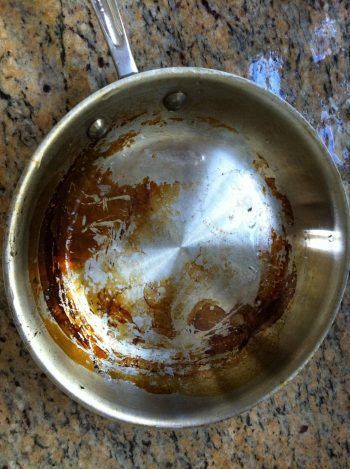
If you’re not careful, over the years your beautiful pots and pans will accumulate burn spots, scratches, discoloring, and inefficiency of cooking. Keep them beautiful and durable with these tips from top pots and pans selling company, Calphalon.
Tips to Save Your Pans:
- Monitor the heat. The higher it is, the more likely food will burn on the edges and bottoms; even just the juices will cause film and burnt discoloration that’s difficult, if not impossible, to get off. Medium to high heat is often all you need. Going higher doesn’t actually mean cooking faster or more thorough believe it or not. Think about steak: to cook it through and juicy, you cook it lower and longer versus higher and burn the outsides or dry out the top of the meat and leave it under-cooked inside. The same actually applies to most meats and other foods. Higher is NOT better for the meal or the pan.
- Preheat your pan and let frozen or cold foods, sit out just for ten minutes. You’re not thawing, just letting the cold become cool so it doesn’t burn and simmer on contact to the edges of the pan. Food often sticks right away when you clash frozen and very hot; and that can form burn spots but also mean food is now stuck and hard to remove to flip or saute. If you rub some butter on the edge and it browns, turn the heat down! Your pan should preheat in a few minutes and higher quality pans like copper and stainless steel definitely get warm enough in minutes. The butter should melt nicely and even bubble, but not brown! The pan is too hot and definitely to add frozen foods which will adhere and stick on contact leading to burnt foods and ruined pans.
- Hotter is not better and more oil is not equated to less stick! More oil can actually cause foods to heat more because oil heats and fries, but also isn’t healthy or always best for the foods you’re cooking. Less is more and that usually simultaneously includes the level of heat. Turn it down to medium and use a meat thermometer and cover the food. It will cook properly and flavorful without damaging the pan and compromising the food. Save calories and save oils from heating up too much and discoloring your pan.
- Instead of aerosol cans, or Pam, use an oil spritzer! They don’t burn on to the pans like those store bought unhealthy brands and the chemical propellant on them is very difficult to remove once cooked onto the surface. It discolors and is not going to come off from simple scrubbing. You risk damaging the pan and shaving off the metal which can get into your foods. You can also drizzle some oil on a cloth or paper towel and wipe the pan before preheating it. Low calorie and good for the pan and your food. If you have stains and color variations on your pans not coming off, it’s probably aerosol chemicals that have stained your pots and pans and it likely won’t come off at this point. If Bar Keeper’s Friend doesn’t work, it’s permanent.
- Food cooks unevenly and burning in some places when you cook too much in one pan and crowd in different things that actually should cook at different times and heats. Use a second pan instead to avoid all of that and food burns on your pan against the edges where the crowded foods are resting too often. Blend the foods together at the end when serving.
- Wash pots and pans but do NOT use steel wool pads, etc. They’re actually abrasive and cause the discolorations and scratches over time which burn permanently also. Use hot soapy water and if the luster or oil residue is still apparent or causing stains, use Bar Keeper’s Friend for stainless pans.
- For more tips and advice visit http://www.calphalon.com/en-US/calphalon-kitchen/articles-and-tips/customer-service-spotlight
Keep in mind most pans you should use softer, nylon brushes or Scotch Brite pads versus any metal or steel wool scrubbers, despite their claims. For teflon and coated pans especially, do not use those other scrubbing tools. Most pans should be soaked in hot soapy water for ten minutes before scrubbing.
Tips to remember: Lower heat means better cooking and less scrubbing later. Don’t create “burn on” in your pots and pans and save cleaning time and hassle later. Keep the luster, avoid the fluster!
 Jennifer Larson