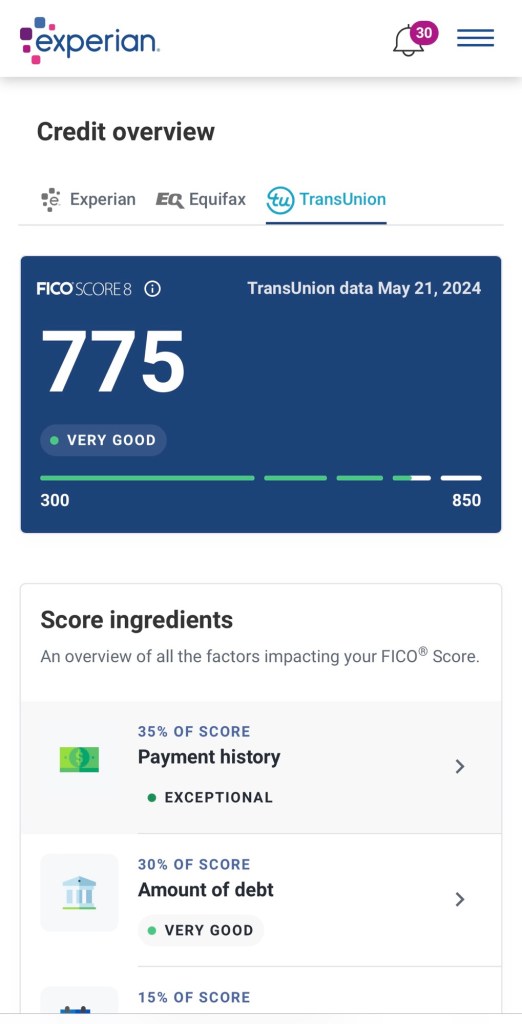
I have said recently that for most of my life now I have had no credit, not bad credit, but nonexistent credit. I bought my cars all used in cash, my husband qualified for our homes on his own, or we bought cash, and our last car he bought as a surprise without me on finance and I paid it off in two years. I never needed credit. I either saved and paid cash or I didn’t buy it. Now though, we’re in more expensive homes and we are building our investments in real estate that I can better help grow if I go in on the financing. The problem is obviously I can’t use my income without also using my credit so I had to build it if we were to keep leveling up in life how we wanted to live, refinance, and buy our dream summer home. I got to work.
A year ago I researched and found that the best legitimate cards out there for credit newbies were Discover and Capital One. I applied for the QuicksilverOne card on my own and was approved for $300. I use it often but always paid off most of it so as not to keep a balance, thereby avoiding interest and developing the two most powerful parts of credit building: payment history and credit utilization. How well did I pay off my balance and how much of a balance I let sit before paying it off. Those two factors are nearly 2/3 your credit score and another 10% is new credit because occasionally having new accounts is also good for your score. 75% of your score can be built up just by opening up your first credit card and keeping the unpaid balance no more than 20% of your total limit and always being early or on time with your payments. The next factor is length of credit which is another 15% of your score—90% so far!!
Keeping your first card for years is important afterwards because keeping it will also build your credit so long as your payment history and utilization are always solid. Your total balance should always be under 20% every day (or pay it off that day!) otherwise that day you don’t pay the higher balance will be the day your credit report updates and shows a higher utilization and it takes time to come back down. Pay off big purchases same day to avoid this and keep at it. You’ll be kissing 750 in no time.
Capital One allows a new card again after six months and they offered me the Savor One card which I was approved for $1,000 and that’s been how I have also building my score. I talk more about this in previous posts but basically now having a mix of older and newer cards is helping my score, as is more total available credit, and an excellent payment history because I make payments 3x a week to never have too much on my cards and never pay interest.
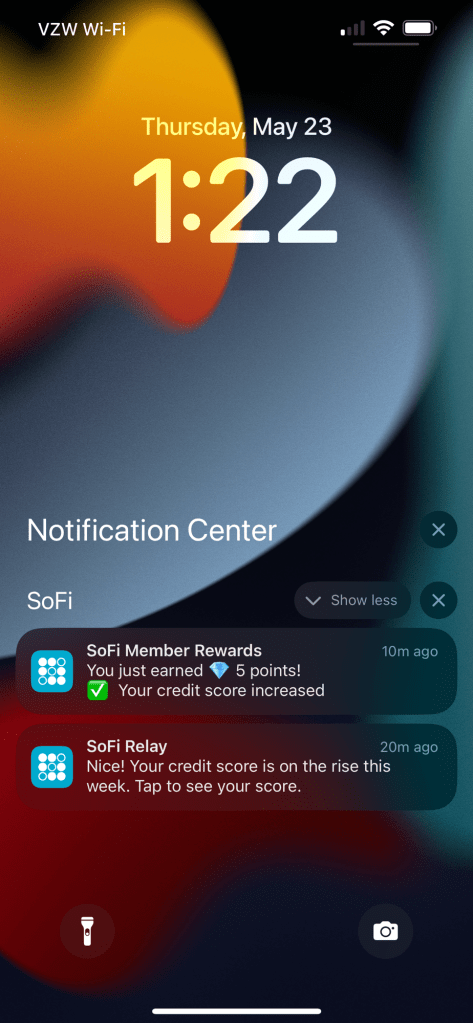
It’s now been ten months since I started this credit journey using what I know about credit building and how lenders view credit. I’ve seen lots of Instagram and YouTube videos saying how you should play the credit game but that’s not actually true nor is it any faster—especially to lenders. Credit Karma and online credit score monitoring sites are not the same as what lenders pull because we interpret them differently and factor additional information not stated on a typical report online. That’s why underwriting is such a process because it’s far more complex than a report and opening cards galore is not a strategy an underwriter wants to see when considering your loan. It’s not a game, it’s a strategy.
Remember too, lenders need at least two years long standing history of multiple accounts of credit—not just cards but also not just a pile of cards being run up or not used at all—at least two years of consistent ability to show responsibility of those accounts. Store credit cards are not recommended and neither are secured unless the Discover It or Capital One cannot approve you. They do help but slower. I have one on my credit report that’s over ten years old and I didn’t use it much after opening. It’s helping my credit score “length of credit” but doing absolutely nothing for the rest of my score like payment history or even utilization because I am not using it so it’s not factored. For lenders, it doesn’t even count at all. This is one of my reasons why Credit Karma is often wrong and higher than what a lender actually sees. My score with just that card was insufficient for credit reporting because it had no use or utilization at all. Don’t just open cards to open them and have them on your report. Be smart with how you plan them out.
So, when building credit, work slowly up to 3 cards and then focus on growing your score over time. The more years of responsibility, at least two years for lenders, the more you can prove and improve you’re score to refinance, buy a house, get better rates, and attain the goals you have for your future.


 Jennifer Larson