
Service-based employees are notorious for not fully documenting their income in order to avoid taxes every month and filing year. The problem is, as lenders, we need the documentation from your employer to verify your income with your tax returns and bank statements so everything supports each other and proves your ability to repay—the singular purpose of underwriting. Nowadays, underwriting is very critical of your financial documents and avoiding the possibility of default is the primary goal of the lending banks. Underwriters heavily scrutinize and evaluate all of your money in and out, and they will make sure all of the numbers make sense and prove each other documentation you provide.
Instead of tax evasion, which is what that technically is when you don’t properly report your income, you can avoid taxes through employer 401k and traditional (not Roth) IRA contributions which allow you to deduct $30k combined income from your taxable income AND still show to lenders how much you really make with proof—because we legally need that.
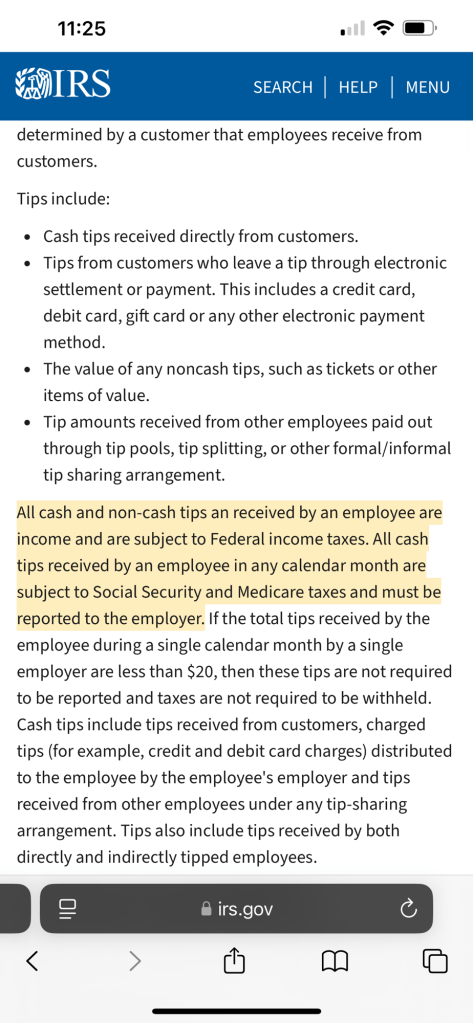
Your income is also a major factor in calculating your DTI Debt to Income Ratio and the requirement for FHA or Conventional Loans are specific and rigorous to fit federal regulations required for QM Qualified Mortgages guidelines. Your income will not pass the Ability to Repay test if you cannot show enough gross income to cover all of your expenses and your pending mortgage payment you’re hoping to be approved for so we need to see substantial income to fulfill those objectives as required for the loan qualifications. Non-documented tips and income will not be able to be used and so it’s very important to have a minimum of two years of stable and consistent income that shows you will continually make this income and be able to have the paperwork to show for it. You can’t just say, “trust me” and hope we will. Unfortunately, there are rules and guidelines we have to follow and underwriting will flag all of the inaccuracies and numbers that aren’t adding up.
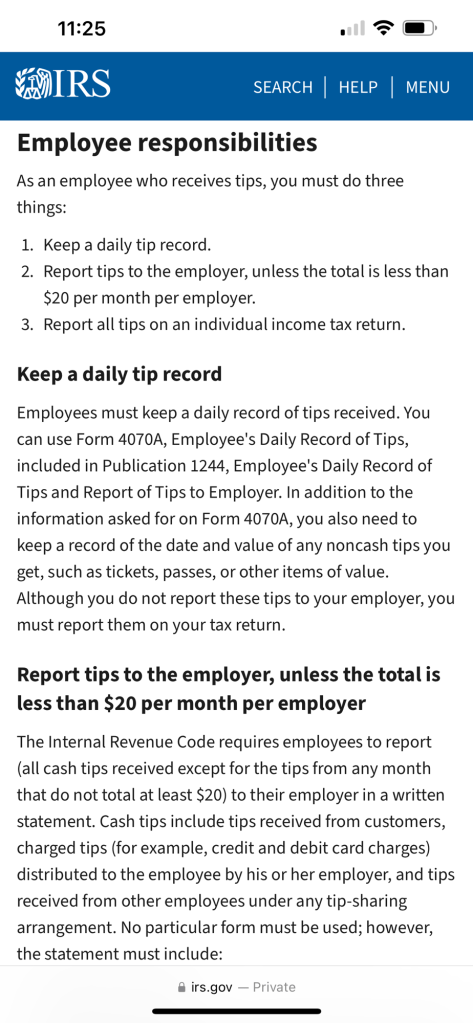
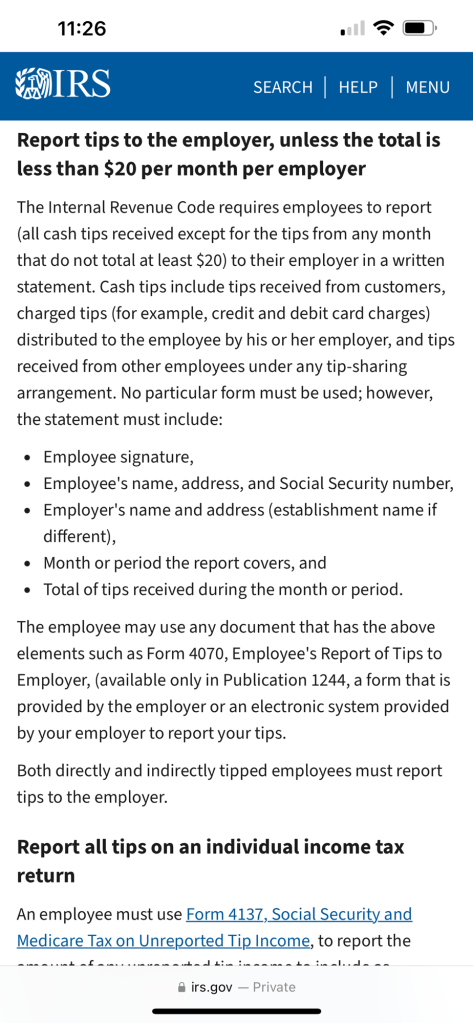
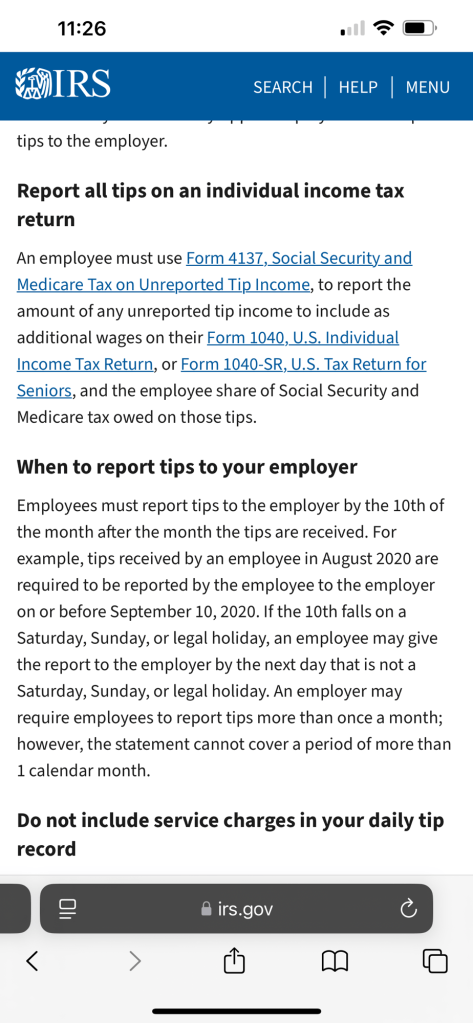
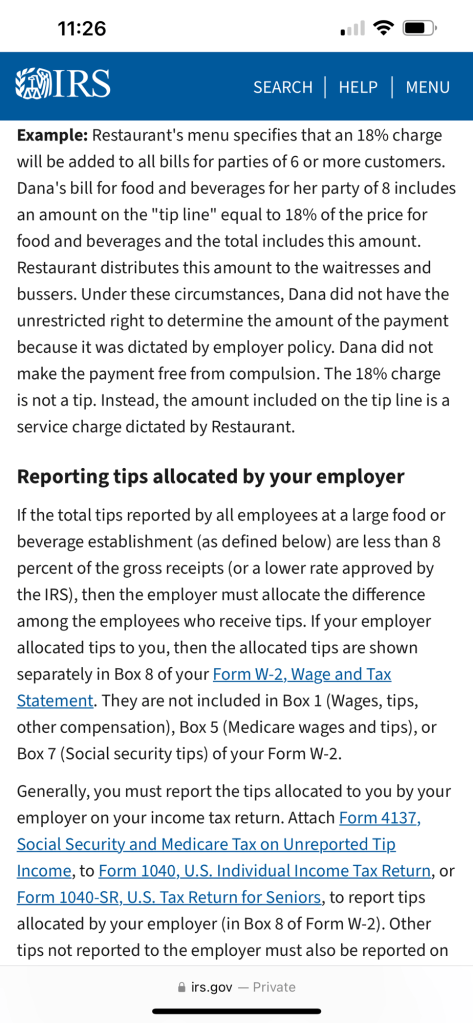
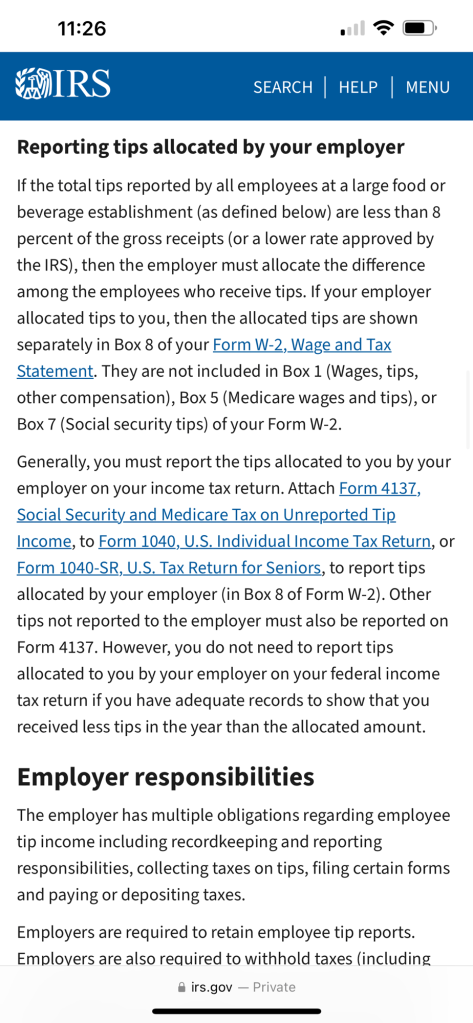
Document your tips through your employer and paycheck so they’re able to be used as gross income. Talk to your CPA and research the IRS laws on tip reporting.

 Jennifer Larson